


Why do you need a retainer?
Orthodontic treatment moves teeth into new positions, and the tissues around their roots need time to adapt. Teeth may move after the appliance is removed, especially early on. Their positions can also change with growth and ageing.
Retention is therefore part of treatment after metal braces or clear aligners. Retainers help reduce relapse, but follow-up and attention to factors affecting stability remain necessary.
How long should you wear a retainer?
Keeping teeth aligned usually requires long-term retention, sometimes recommended for life with an individual wear schedule. This does not necessarily mean wearing a removable retainer all day forever.
Your orthodontist may prescribe more intensive wear initially and nights later, or night-time wear from the beginning. Follow your written instructions rather than reducing hours or stopping because your teeth look straight. If circumstances change or wearing it becomes difficult, discuss the plan with your orthodontist.
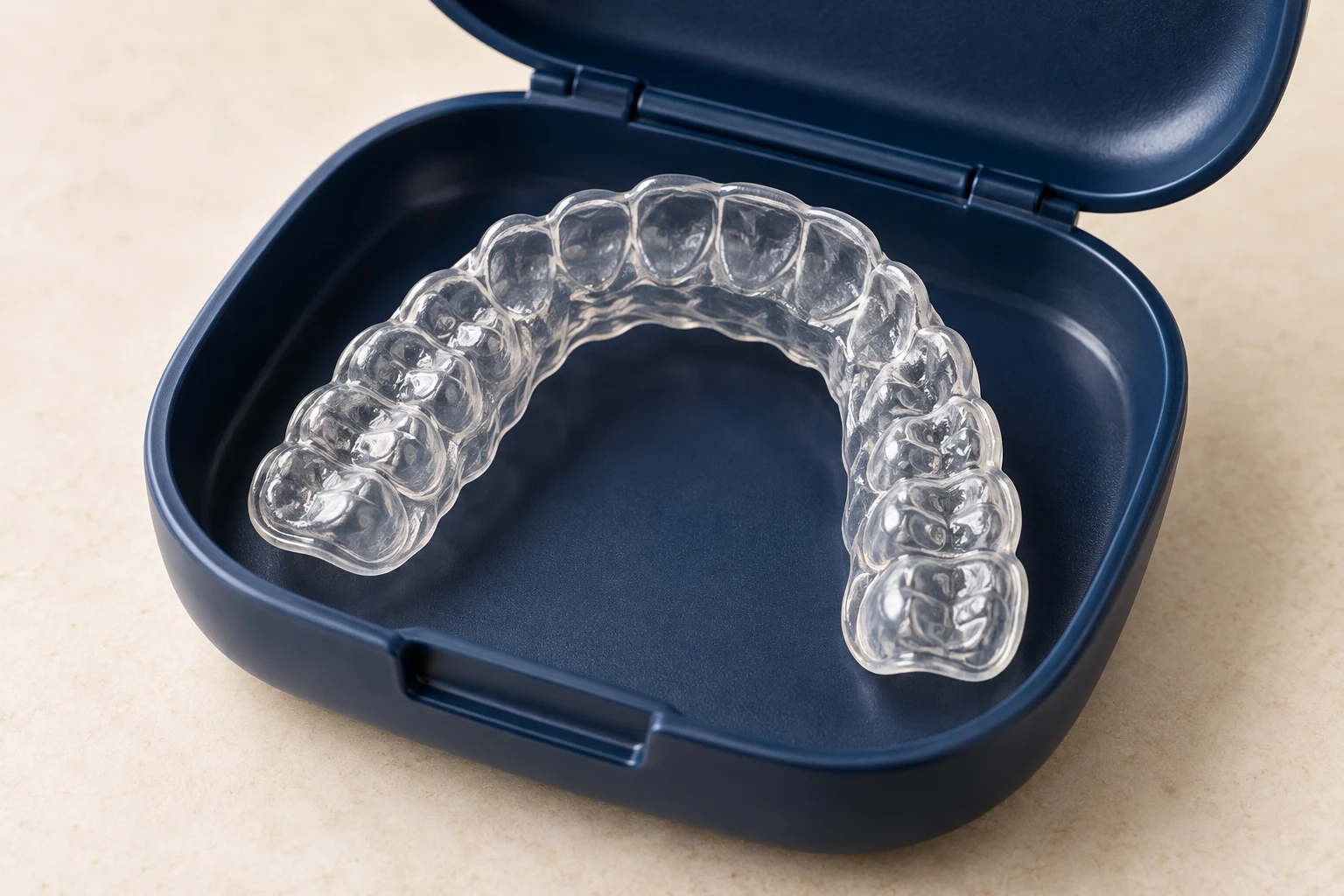
Clear removable retainers
A clear retainer is a custom-made tray fitted to the teeth after treatment. It can be removed for meals and cleaning and is discreet, but its effectiveness depends on following the prescribed wear schedule.
Looking similar to clear aligners does not make their purposes identical. A retainer primarily maintains the result; treatment aligners are planned to move teeth progressively. Do not use an old retainer to correct tooth movement yourself.
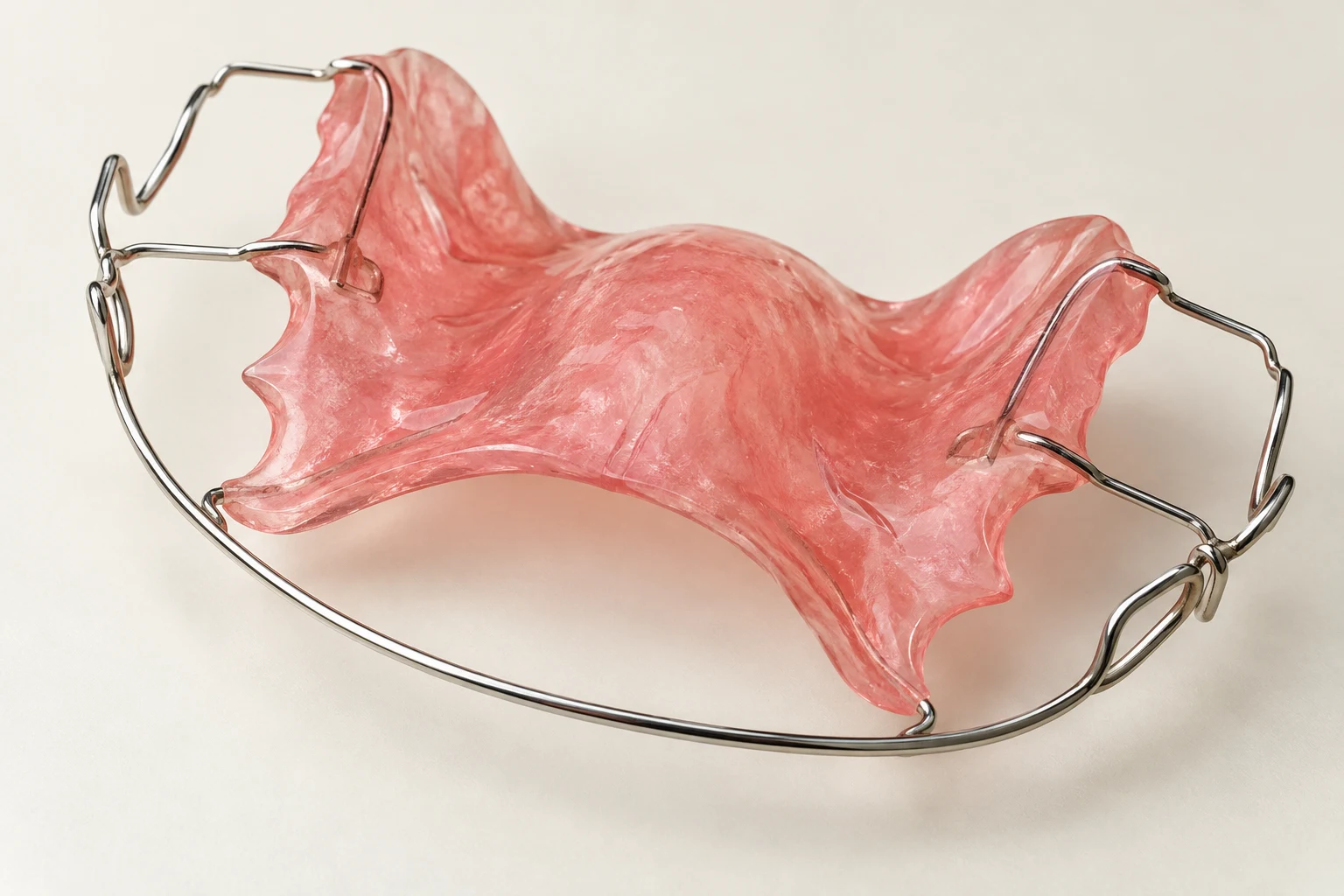
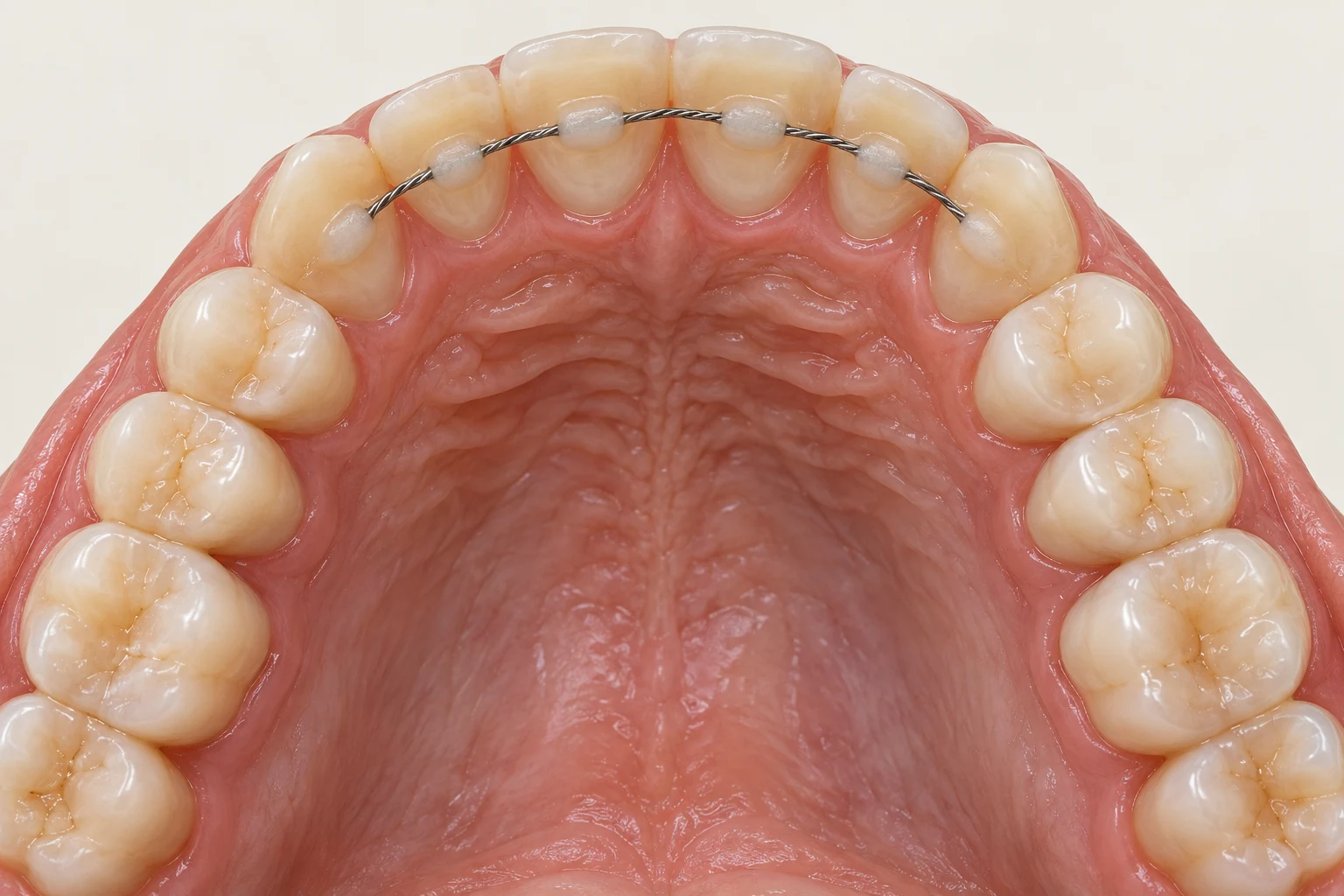
Hawley and fixed retainers: what is the difference?
A Hawley retainer combines an acrylic base with a wire across the front teeth. It may be selected when appropriate for the plan, and some problems allow professional adjustment or repair. Like any removable retainer, it requires consistent wear.
A fixed retainer is a thin wire bonded behind a group of teeth, often the front teeth. It does not rely on remembering to put it in, but needs careful cleaning and regular checks. ‘Fixed’ does not mean unbreakable, or that it holds every tooth in the mouth. An orthodontist may combine fixed and removable retainers; no single type is best for everyone.
How to clean and protect your retainer
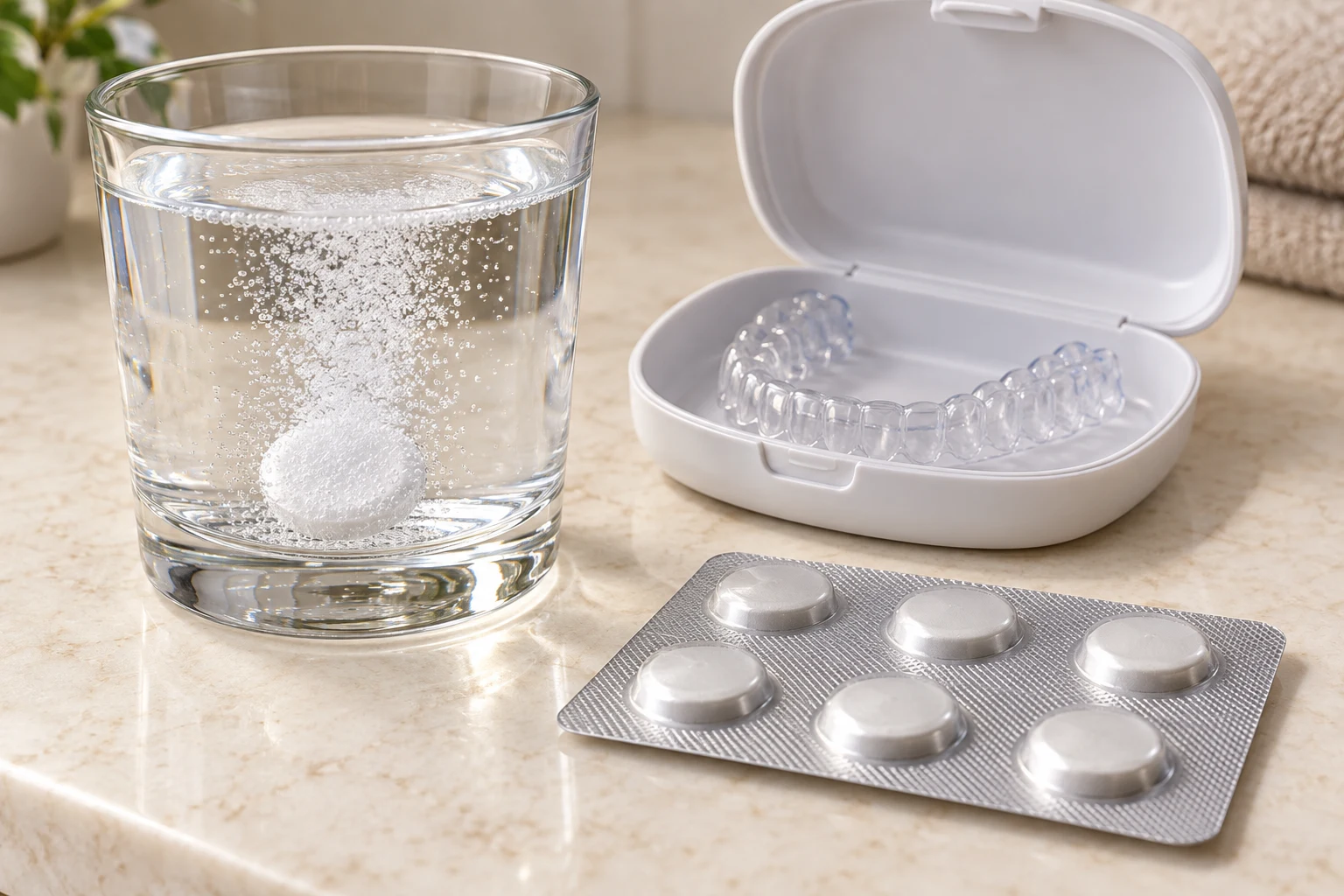
Clean a removable retainer daily with a soft brush and cool or lukewarm water. Follow your orthodontist’s and manufacturer’s instructions for suitable cleaning products. Avoid hot water and high temperatures, which can distort some materials.
Remove it for meals and drinks other than water, then clean your teeth before replacing it. Store it in its case rather than a tissue, away from children and pets. For a fixed retainer, clean around the wire and between teeth using a technique your dental team demonstrates. Continue regular dental and gum checks.
Effervescent tablets for cleaning removable retainers; follow the product instructions and specified soaking time.
What if it feels tight or no longer fits?
A mild snug feeling can be normal, but new tightness may indicate tooth movement or a change in the appliance. If it seats fully without significant pain, follow your instructions and contact your orthodontist if the change persists.
If it does not seat fully, causes clear pain or injures the tissues, do not force it by biting or pressing, and do not heat it to change its shape. Contact your orthodontist to assess the teeth and appliance. A damaged or distorted retainer needs professional assessment rather than home repairs.
What if you lose it or the bonded wire comes loose?
Contact the clinic promptly if you lose or break a retainer, or notice a loose section of fixed wire. Teeth can move without pain, so do not wait for a distant appointment simply because your smile looks unchanged.
Do not pull or bend the wire yourself. If you have an additional prescribed removable retainer, ask about using it while waiting for assessment. Repair or replacement may be enough, whereas visible tooth movement may require limited treatment or another plan after examination.
Retainer follow-up in Jeddah
At a retention review, your orthodontist checks the appliance’s fit, any bonded wire, gum health and changes in alignment. Bring your removable retainer so its fit can be assessed.
If you notice a new gap, crowding or a bite change, arrange an assessment rather than trying to correct it with an old retainer. You can contact Dr. Mohammed Al-Salem in Jeddah to arrange an individual examination. This article is educational; a personal plan requires assessment.
Frequently asked questions
Do I need retainers after clear aligners?
Yes. Retention is also planned after aligner treatment. Your orthodontist chooses the appliance and wear schedule.
Is a fixed retainer enough on its own?
It may be suitable for some plans; others also need a removable retainer. The wire holds the teeth to which it is attached, rather than automatically retaining all teeth.
Can I stop after a year?
Do not stop based on a general deadline. Ask about your long-term schedule, because tooth position can continue to change.
Can a retainer straighten teeth that have moved?
An ordinary retainer is not a substitute for diagnosis and treatment. A new appliance or limited treatment may be needed.
Can I eat with a removable retainer?
It is usually removed for meals and drinks other than water, followed by tooth cleaning before reinsertion.
Medical sources
- British Orthodontic Society
- American Association of Orthodontists
- University Hospitals Plymouth NHS Trust
Generated educational image, not a real patient case.